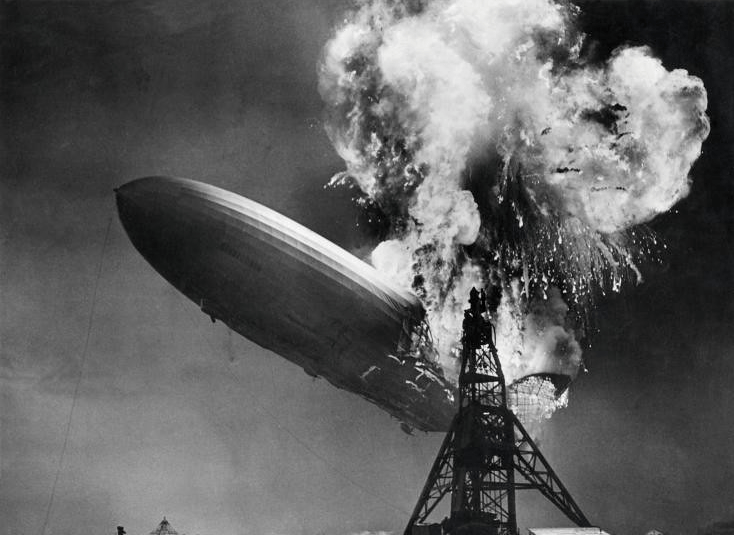
Atheists like to point out the terrible scale of the immense tragedies that befall mankind and animals. But if we accept the principle that good and bad are paired, by the very nature of how things like gravity, air pressure, and combustion work, we can’t really quibble about the scale of disasters. After all, where do you draw the line? It would be a celestial bureaucrat’s nightmare. Does Aunt Emma’s radiation therapy merit a pass (i.e. acceptable) because of a famine in ancient Nubia that killed thousands (i.e. unacceptable)? Do hundreds of fish squirming and gasping as they die on the deck of a trawler equal a broken leg on a ski slope? Who decides what is a little or a lot? The answer: God decides, and so has made a universe that includes it all.
Man is never tired of asking for the good. But if misfortune touches him, then he is desperate, despondent. (Q41:49)
لاَ يَسْأَمُ الإِنْسَانُ مِنْ دُعَاءِ الْخَيْرِ وَإِنْ مَسَّهُ الشَّرُّ فَيَئُوسٌ قَنُوطٌ
If we are going to live in a universe that works by cause and effect, prevention and cure, foresight and experience, then setbacks, pain, failure, and death are necessarily thrown into the balance. Massive die-offs, disease, and other forms of suffering are just the dues we owe as paying members of the biosphere.
Another line of argument, closely linked to that of good and bad being natural twins, is that adversities are not only how we learn to enjoy life but also how we upgrade ourselves. Every virtue – courage, forbearance, forgiveness, gentleness, generosity, prudence, and even wisdom – is forged in the fire of hardships, pain, and loss, undergone either by us or by those close to us. Misfortune is the soil of spiritual growth, the dark background of bright new life. Not only is the good linked to the bad, it positively demands it as a precondition.
Indeed We sent [Our messengers] to peoples who preceded you, and seized them with misfortunes and diseases that they might be humble. (Q6:42)
وَلَقَدْ أَرْسَلْنَا إِلَى أُمَمٍ مِنْ قَبْلِكَ فَأَخَذْنَاهُمْ بِالْبَأْسَاءِ وَالضَّرَّاءِ لَعَلَّهُمْ يَتَضَرَّعُونَ
We tested them with good and bad so that they might return. (Q7:168)
وَبَلَوْنَاهُمْ بِالْحَسَنَاتِ وَالسَّيِّئَاتِ لَعَلَّهُمْ يَرْجِعُونَ
How wonderful are the affairs of the believer! His whole affair is good, and that is not for anyone but the believer. If fortune befalls him, he is grateful, and that is better for him. And if misfortune befalls him, he is patient, and that is better for him. (Sahihu Muslim, Book 55, Hadith 82)
عَجَبًا لأَمْرِ الْمُؤْمِنِ إِنَّ أَمْرَهُ كُلَّهُ خَيْرٌ وَلَيْسَ ذَاكَ لأَحَدٍ إِلاَّ لِلْمُؤْمِنِ إِنْ أَصَابَتْهُ سَرَّاءُ شَكَرَ فَكَانَ خَيْرًا لَهُ وَإِنْ أَصَابَتْهُ ضَرَّاءُ صَبَرَ فَكَانَ خَيْرًا لَهُ
In these two verses and one tradition, we see that ‘good’ and ‘bad’ operate at two different levels of meaning. The first level is the one we have been discussing so far – the world of seemingly random events in which ‘bad things happen to good people’, where fortune and misfortune alternate like day and night on the calendar, or high and low on a topographical map of mountainous terrain. But there is another dimension, where the virtues of humility, gratitude, and patience appear, liberated from the tumult of cause and effect below. We can thus distinguish between a physical realm of pleasant or unpleasant events, on the one hand, and an ethical realm of real good and evil.
Fighting is prescribed for you, whereas you detest it. Perchance you hate a thing, but it is good for you. And perchance you love a thing, but it is bad for you. And GOD knows [what is good and bad] and you do not. (Q2:216)
كُتِبَ عَلَيْكُمْ الْقِتَالُ وَهُوَ كُرْهٌ لَكُمْ وَعَسى أَنْ تَكْرَهُوا شَيْئًا وَهُوَ خَيْرٌ لَكُمْ وَعَسَى أَنْ تُحِبُّوا شَيْئًا وَهُوَ شَرٌّ لَكُمْ وَاللَّهُ يَعْلَمُ وَأَنْتُمْ لاَ تَعْلَمُونَ
From this perspective, an element of uncertainty is required for our judgements of good and bad in this world, spurring us to honest self-examination: ‘Do we condemn something because it is morally wrong, or simply because we dislike it?’
 The GOD You Already Know